Introduction
Every parent and teacher wants children to grow into kind, confident, and caring individuals. While reading, writing, and math are essential parts of a child’s education, emotional skills are just as important. Children who understand their feelings, show empathy, solve problems, and build healthy relationships are better prepared for success in school and in everyday life. This is why Social Emotional Learning (SEL) has become an important part of modern education.
One of the easiest and most enjoyable ways to introduce these life skills is through books. Stories help children experience challenges alongside memorable characters instead of simply being told how they should behave. As they watch characters overcome fears, build friendships, and learn from mistakes, they naturally begin developing emotional intelligence.
Reading together also creates opportunities for meaningful conversations. Parents can discuss kindness before bedtime, while teachers can use stories to encourage classroom discussions about friendship, respect, inclusion, and teamwork. Rather than feeling like lessons, these books make learning enjoyable while helping children build confidence and compassion.
In this guide, you’ll learn what Social Emotional Learning is, why it matters, how books support emotional development, and which stories can help children build lifelong social and emotional skills.
What Is Social Emotional Learning (SEL)?
Social Emotional Learning, commonly called SEL, is the process through which children learn to understand themselves, manage emotions, build healthy relationships, make responsible decisions, and communicate effectively with others. Instead of focusing only on academic achievement, SEL helps children develop the personal skills they need throughout life.
Many schools now include SEL activities alongside traditional subjects because emotional well-being supports academic success. Children who feel confident and emotionally secure are often more willing to participate in class, solve problems, and work cooperatively with others.
The Five Core SEL Skills
Self-Awareness
Self-awareness helps children recognize their emotions, strengths, and areas for growth. Understanding feelings is the first step toward managing them in healthy ways.
Self-Management
Children learn how to control emotions, stay calm during difficult situations, and make thoughtful decisions instead of reacting impulsively.
Social Awareness
This skill teaches empathy, respect for others, and appreciation for different perspectives. Stories featuring diverse characters help children see the world through someone else’s eyes.
Relationship Skills
Healthy friendships require listening, cooperation, communication, trust, and respect. SEL books demonstrate these skills through relatable situations children experience every day.
Responsible Decision-Making
Children learn to think before acting, consider how their choices affect others, and solve problems responsibly skills that benefit them throughout school and adulthood.
Why Social Emotional Learning Books Matter
Books are much more than entertainment. They introduce children to new ideas while quietly teaching important life lessons. Stories create emotional connections that help children remember kindness, empathy, and respect long after they’ve finished reading.
Helping Children Understand Feelings
Young children sometimes struggle to explain emotions such as frustration, excitement, disappointment, or fear. By watching storybook characters experience similar feelings, they gradually learn to recognize and express their own emotions.
Teaching Empathy
Empathy develops when children understand how another person feels. Stories naturally encourage this because readers experience events through another character’s perspective.
Building Friendships
Making friends isn’t always easy. SEL books demonstrate cooperation, forgiveness, acceptance, and respectful communication, helping children build stronger relationships.
Improving Communication
Many stories show characters solving problems by listening carefully, asking questions, and expressing feelings respectfully. Children often begin using these same communication skills in their own lives.
Developing Confidence
Watching characters overcome fears and challenges reminds children that everyone learns through experience. These stories encourage resilience while helping children believe in themselves.
Benefits of Reading Social Emotional Learning Books
Social Emotional Learning books help children grow emotionally while making reading enjoyable. They encourage healthy habits that support success at home, in school, and throughout life.
Better Emotional Regulation
Children experience many emotions every day. SEL books teach healthy ways to recognize, understand, and manage those feelings instead of reacting impulsively.
Increased Empathy
Reading about characters facing challenges helps children become more compassionate toward classmates, siblings, and friends.
Stronger Friendships
Stories show children how honesty, patience, forgiveness, and communication create lasting friendships.
Improved Classroom Participation
Emotionally confident children are often more willing to ask questions, participate in group activities, and share ideas during classroom discussions.
Better Listening Skills
Many storybook characters solve problems by listening carefully before responding. These examples encourage active listening in everyday conversations.
Reduced Bullying
Books that emphasize inclusion and kindness help children understand the emotional effects of bullying while encouraging acceptance and compassion.
Greater Confidence
Stories remind children that mistakes are part of learning. Watching characters overcome obstacles helps young readers develop resilience and self-confidence.
Better Family Communication
Reading together encourages conversations about emotions, friendships, and everyday challenges. These discussions strengthen family relationships while helping children express themselves more openly.
Essential Life Skills Children Learn
The best SEL books quietly teach life skills that children will use for years to come.
Kindness
Children discover how small acts of kindness can make a big difference in someone else’s day.
Respect
Stories teach children to appreciate differences and treat everyone with dignity.
Acceptance
Children learn that friendships grow stronger when people accept one another for who they are.
Inclusion
Books encourage children to include others in games, conversations, and activities so everyone feels welcome.
Compassion
Characters often inspire readers to ask, “How can I help?” encouraging generosity and empathy.
Forgiveness
Stories remind children that everyone makes mistakes and deserves opportunities to learn and grow.
Sharing
Sharing teaches cooperation and strengthens friendships.
Teamwork
Working together helps characters solve problems while appreciating one another’s strengths.
Patience
Children discover that many goals require practice, persistence, and waiting.
Responsibility
Stories encourage children to keep promises, admit mistakes, help others, and make thoughtful decisions.
Best Social Emotional Learning Books for Kids
Choosing the right books can have a lasting impact on a child’s emotional development. Here are some excellent choices.
-
Once Upon a Breakfast
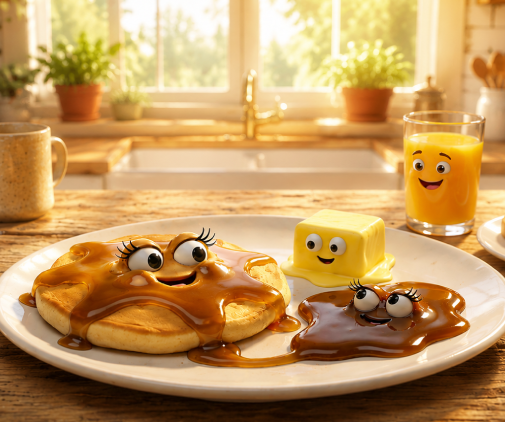
This delightful story follows Pancake, Butter, Syrup, Bacon, and Eggs as they discover that true friendship grows through kindness, acceptance, forgiveness, and understanding. It encourages emotional growth while making family reading and classroom discussions enjoyable.
-
The Invisible Boy
Brian often feels unnoticed until simple acts of kindness help him feel included.
Life Lesson: Everyone deserves to feel seen and valued.
-
Have You Filled a Bucket Today?
This popular book teaches children that kindness spreads happiness to everyone.
-
The Rabbit Listened
A touching story showing that sometimes simply listening is the greatest way to help someone.
-
The Color Monster
Helps young readers recognize and understand their emotions through colorful illustrations and relatable experiences.
make part 2 hurry up
-
I Am Human
Written by Susan Verde, I Am Human reminds children that everyone experiences different emotions, makes mistakes, and continues learning throughout life. The story encourages self-acceptance while teaching compassion toward others.
Life Lesson: Nobody is perfect. What matters is learning from mistakes, showing kindness, and continuing to grow every day.
-
The Bad Seed
At first, the main character appears rude and unfriendly, but readers soon discover that people can change with encouragement, patience, and understanding.
Life Lesson: Never judge someone too quickly. Everyone has the ability to grow and become better.
-
Enemy Pie
This clever story shows how spending time with someone can transform an enemy into a friend. It teaches children that kindness and understanding often replace fear and misunderstanding.
Life Lesson: Friendship begins when we give others a chance.
-
Stick and Stone
Although Stick and Stone are very different, they become close friends by helping one another through difficult situations. Their story highlights loyalty, encouragement, and teamwork.
Life Lesson: True friends stand beside each other through every challenge.
-
Each Kindness
This touching story reminds children that every opportunity to show kindness matters. Even small acts of compassion can leave a lasting impression on someone else’s life.
Life Lesson: Every act of kindness has the power to make a difference.
How Parents Can Use SEL Books at Home
Parents are a child’s first teachers, and reading together is one of the best ways to build emotional intelligence. Even spending 15–20 minutes each day with a good book can create meaningful conversations and strengthen family relationships.
Read Together Daily
Make reading a regular part of your family’s routine. Children often feel more comfortable discussing emotions while talking about storybook characters.
Ask Open-Ended Questions
Encourage deeper thinking by asking questions such as:
- Why do you think the character felt that way?
- What would you have done?
- Have you ever experienced something similar?
- How could the problem have been solved differently?
These conversations help children build empathy, communication skills, and critical thinking.
Practice Kindness Every Day
After reading, encourage children to apply what they’ve learned by:
- Helping a sibling
- Thanking a teacher
- Sharing with a friend
- Including someone during playtime
- Writing a kind note
Celebrating these small acts helps kindness become a daily habit rather than just a story lesson.
How Teachers Can Use SEL Books in the Classroom
Teachers often use SEL books to create welcoming classrooms where every child feels respected and included. Stories provide excellent starting points for meaningful discussions while supporting reading comprehension and character education.
Effective classroom activities include:
- Morning read aloud sessions
- Group discussions about friendship and empathy
- Kindness journals
- Team-building games
- Role-playing real-life situations
- Creative writing based on story characters
These activities encourage students to practice empathy, cooperation, communication, and responsible decision-making in a safe learning environment.
Choosing the Right SEL Book
Not every children’s book focuses on emotional development. When selecting SEL books, look for stories that include:
- Age-appropriate language
- Positive messages
- Relatable characters
- Beautiful illustrations
- Meaningful life lessons
- Opportunities for discussion
- Encouraging examples of kindness and respect
Children connect most deeply with stories that reflect situations they may experience in their own lives.
Activities That Reinforce SEL Learning
Reading is only the beginning. Simple activities help children apply the lessons they learn through stories.
Some easy ideas include:
- Emotion charts
- Kindness journals
- Friendship trees
- Role-playing activities
- Drawing favorite characters
- Gratitude lists
- Family discussion cards
- Classroom kindness projects
These activities reinforce emotional awareness while making learning interactive and enjoyable.
Conclusion
Children learn much more than reading skills when they open a good book. They learn how to understand emotions, build meaningful friendships, solve problems, and treat others with kindness and respect. These lessons shape the way they communicate, make decisions, and interact with the world around them.
Whether you’re a parent reading together before bed or a teacher leading a classroom discussion, Social Emotional Learning books create valuable opportunities to build confidence, empathy, resilience, and positive relationships. Stories make these lessons memorable because children experience them alongside characters they grow to love.
By choosing books with meaningful life lessons, relatable characters, and positive messages, you’re helping children become not only stronger readers but also kinder friends, thoughtful classmates, and compassionate individuals. Making Social Emotional Learning books a regular part of home and classroom reading is a simple yet powerful way to prepare children for lifelong success—both academically and emotionally.